How do Trust Badges Increase Sales And Customer Retention
Your website gets traffic. Visitors browse, and suddenly they leave without buying. You probably wonder why? Well, the problem often isn't your product or your price. It's that prospects don't trust you yet.
Your website gets traffic. Visitors browse, and suddenly they leave without buying. You probably wonder why? Well, the problem often isn't your product or your price. It's that prospects don't trust you yet.
There are various methods you can implement to try to solve the high cart abandonment rate. Among them, trust plays a major role. As a matter of fact, there's a whole category of trust badges that bridge that gap by providing visual proof that your business is legitimate, secure, and accountable. We'll cover which badges actually move the needle, where to place them for maximum impact, and why AI transparency is becoming the trust signal that separates leaders from everyone else.
Why trust is the missing factor in online sales
Most businesses trying to increase website sales focus on traffic, ads, and discounts. Yet the real barrier is often simpler: visitors don't trust you enough to buy. According to Baymard Institute research, one of the top three reasons why people abandon the shopping cart is that they don't trust you.
The trust gap has grown wider as AI-generated content floods the internet. Product photos that look nothing like the real item. Reviews that feel manufactured. Chatbots pretending to be human. Shoppers have learned to question everything, and that skepticism costs you sales every day.
Fake reviews are everywhere: Consumers have grown skilled at spotting inauthentic testimonials, making them distrust even legitimate ones
AI-generated images mislead: Products often arrive looking nothing like the polished photos online
Chatbots feel deceptive: When AI pretends to be human, it erodes trust in all your communications
While most competitors in the market chase traffic, you can convert more of the visitors you already have by removing trust barriers from your site.
What trust badges are and why they work
Trust badges are small visual icons that prove your business is legitimate. You've seen them everywhere: the padlock icon, the PayPal logo, the "30-day money-back guarantee" seal. They work because they answer a visitor's unspoken question before they even ask it: "Is this site safe?"
The psychology is straightforward. Third-party validation carries more weight than anything you say about yourself. When an independent organization vouches for you, buyers feel more confident. It's the difference between saying "trust me" and having someone else say "you can trust them."
Visual shortcuts: Badges communicate credibility in seconds, without requiring visitors to read paragraphs of text
Risk reduction: Each badge addresses a specific fear, whether that's payment security, return policies, or business legitimacy
Decision acceleration: Confident shoppers buy faster and abandon carts less often
Types of trust badges that boost online sales
Different badges solve different buyer concerns. The key is matching your badges to what your specific customers worry about most.
SSL and security certificates
The padlock icon and HTTPS in your browser bar signal that data is encrypted during transmission. This is table stakes now. Visitors expect it. Without SSL, browsers actually warn people away from your site. Having SSL won't differentiate you, but lacking it will hurt you.
Payment processor logos
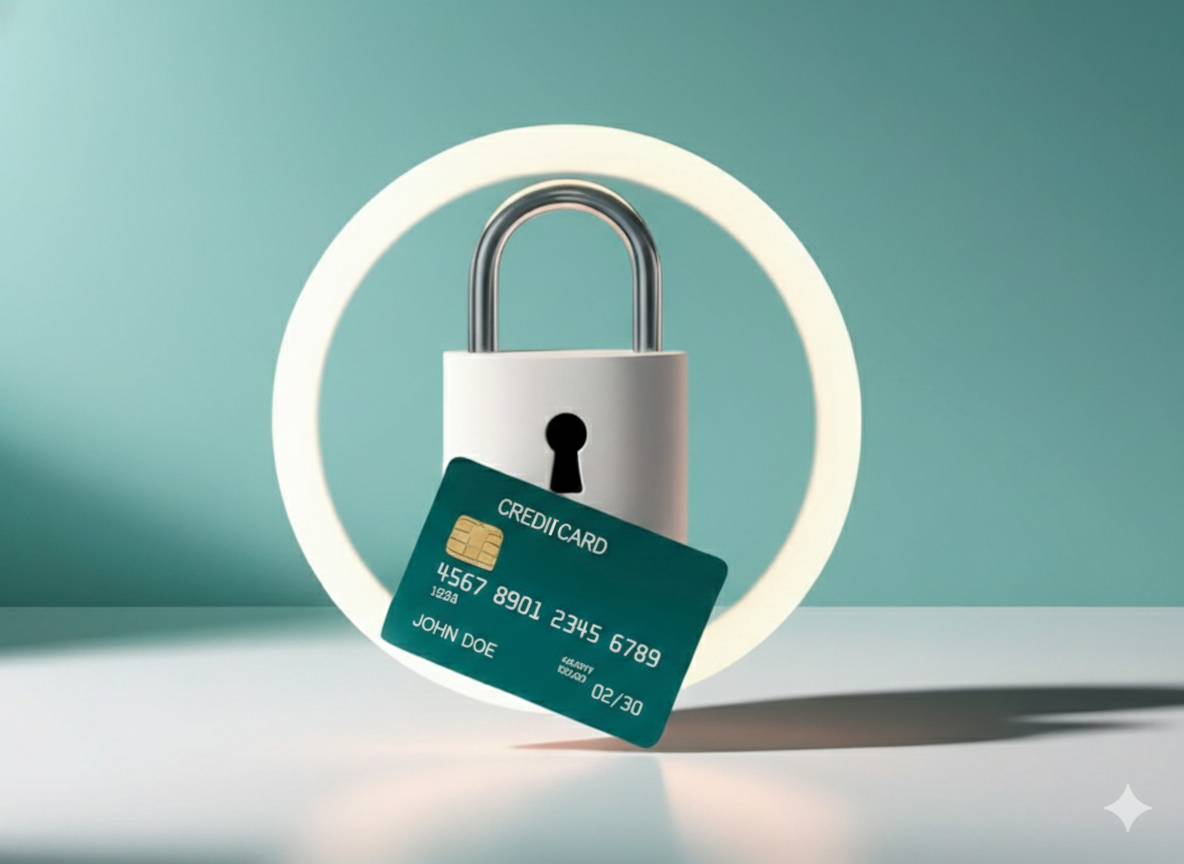
Visa, Mastercard, PayPal, Apple Pay. Familiar logos reduce checkout hesitation because shoppers already trust the companies behind them. Displaying payment logos reminds visitors that established payment systems protect their purchase.
Money-back guarantee seals
Guarantee badges reverse the risk equation. Instead of the buyer taking a chance on you, you're taking a chance on them. This approach works especially well for first-time customers who don't know your brand yet and have no reason to give you the benefit of the doubt.
Customer review and rating badges
Star ratings and review counts from Google, Trustpilot, or similar platforms provide social proof. When thousands of other people have bought from you successfully, new visitors feel safer following their lead. The specific number matters less than the presence of verified, external validation.
Industry certifications and memberships
BBB accreditation, industry association logos, and professional certifications signal legitimacy to cautious buyers. Certification badges matter most for high-consideration purchases and B2B sales where buyers do extensive research before committing budget.
AI transparency certifications
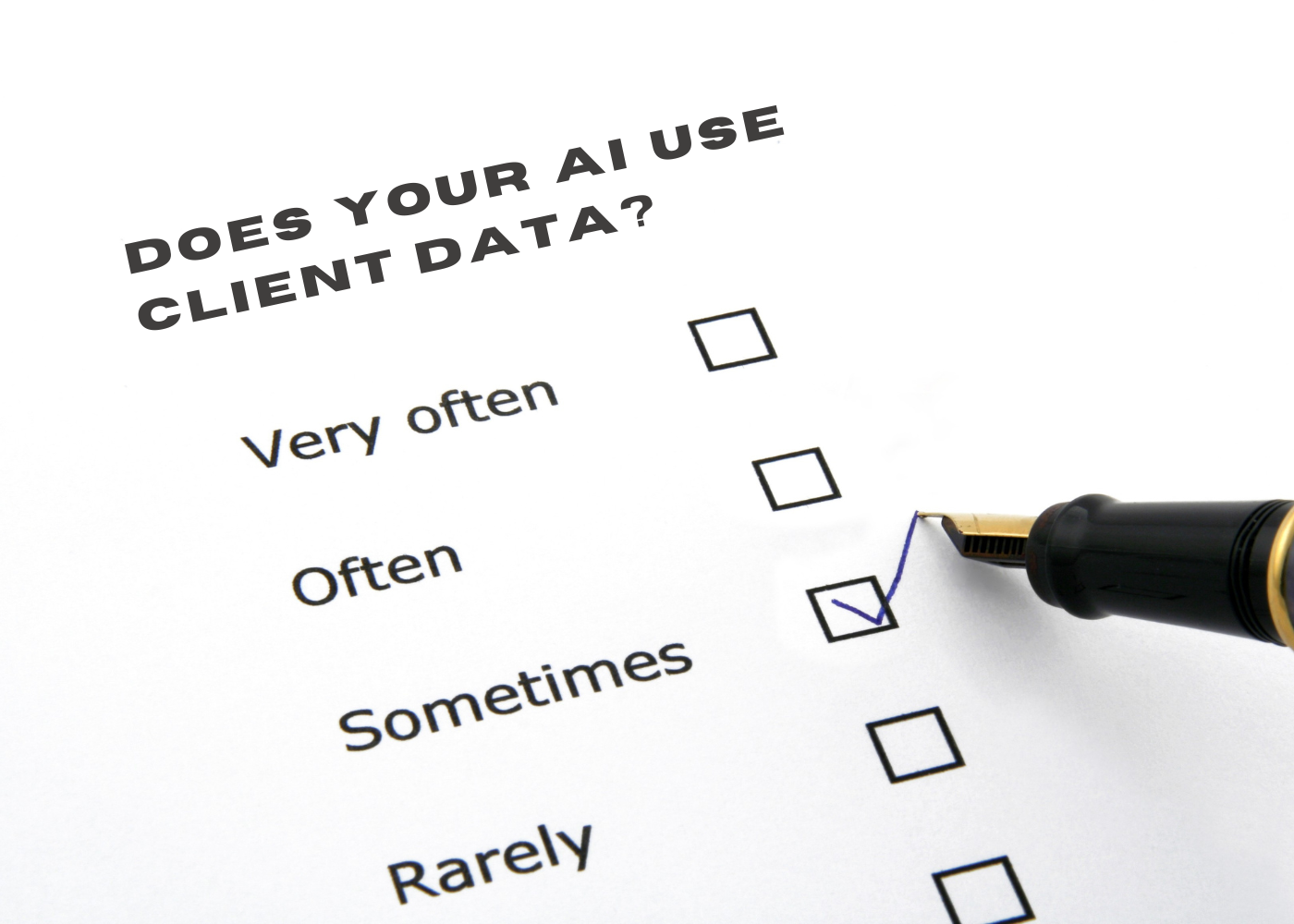
What most people miss is that consumers increasingly want to know how companies use AI. Are you using AI to personalize prices? To generate product descriptions? To make decisions that affect customer service?
Shoppers are starting to ask questions about AI use. The businesses that answer proactively, before being asked, build trust that competitors can't match. Independent AI transparency certification, like what SiteTrust provides, answers questions before customers even think to ask them.
Where to place trust badges to increase online sales
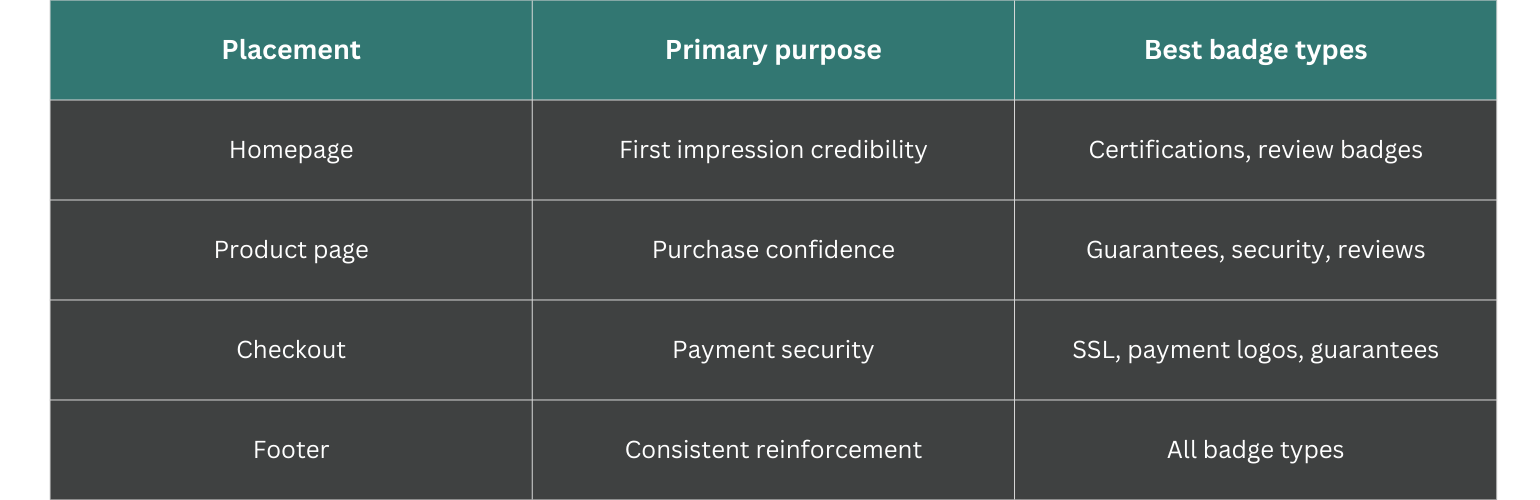
Having badges matters. Where you put them matters more. Placement follows the buyer's journey and addresses hesitation at each step along the way.
Homepage above the fold
Your homepage creates the first impression. Badges placed above the fold, meaning visible without scrolling, build credibility before visitors even start browsing. They answer "Is this a real business?" within seconds of arrival.
Product pages near add-to-cart buttons
Product pages are decision points. Badges placed near the add-to-cart button address hesitation right when it occurs. Review badges and guarantee seals work especially well in this location because they counter objections at the moment of commitment.
Checkout page before payment fields
The checkout page is where cart abandonment peaks. Security badges and payment logos placed near credit card fields directly address the fear of entering payment information on an unfamiliar site.
Website footer on every page
Footer badges provide consistent reinforcement across your entire site. They're secondary to the placements above, but they ensure trust signals appear on every page a visitor might land on, including blog posts and support pages.
How trust badges reduce cart abandonment
Cart abandonment averages around 70% across ecommerce, according to Baymard Institute's checkout research. That means seven out of ten people who add items to their cart leave without buying. Trust issues drive a significant portion of this loss.
The same research identifies specific fears that cause abandonment:
Security concerns at payment: Shoppers hesitate when entering card details on unfamiliar sites, and security badges directly address this fear
Return policy doubts: Questions like "What if it doesn't fit?" or "What if it's not what I expected?" disappear when guarantee badges are visible
Legitimacy questions: Unknown brands face an uphill battle, and certification badges prove you're a real, accountable business
The math favors trust investment. Reducing cart abandonment by even a few percentage points often delivers more revenue than increasing traffic by the same amount, and it costs far less.
How trust badges drive customer retention and repeat purchases
Trust doesn't just win the first sale. It builds the foundation for ongoing customer relationships. Customers who trust you come back without needing discounts to lure them.
Think about your own buying habits for a moment. When you trust a business, you don't comparison shop every time. You don't read reviews before every purchase. You just buy. That's the loyalty trust creates, and it's worth far more than any single transaction.
Trust compounds over time: Each positive experience reinforces the relationship, making future purchases easier and faster
Reduced price sensitivity: Trusted brands don't lose customers over small price differences because the relationship has value beyond the transaction
Word-of-mouth growth: Customers recommend businesses they trust, bringing new buyers without additional ad spend
Why AI transparency is becoming a critical trust signal
Consumers now want to know how companies use AI. A 2024 Pew Research study found that 52% of Americans feel more concerned than excited about AI in daily life. That concern extends to the businesses they buy from.
Are you using AI to set prices? To write product descriptions? To make decisions about customer service? Shoppers are starting to ask questions like this. The businesses that answer proactively, before being asked, build trust that competitors who stay silent simply can't match.
AI transparency isn't about avoiding AI. It's about being honest about how you use it. Customers respect honesty far more than they fear technology. The companies that get ahead of this shift will have a significant advantage as AI becomes more prevalent in every industry.
How to improve website sales with verified trust certification
There's a meaningful difference between claimed trust and verified trust. Anyone can put a badge on their website and say whatever they want. Verified certification means an independent organization has evaluated your practices and confirmed they meet established standards.
This distinction matters because savvy consumers have learned to be skeptical of self-made claims. They look for verification they can check themselves. SiteTrust's public registry, for example, allows customers to confirm a company's AI transparency certification status before they buy.
Claimed vs. verified trust: Independent certification outperforms self-made badges because it can't be faked or exaggerated
Public verification: Customers can check your certification status themselves, building confidence through transparency
Competitive differentiation: Verified certification sets you apart from competitors who only make unverifiable claims
Ready to turn trust into a competitive advantage? Get certified for AI transparency with SiteTrust
Frequently asked questions about trust badges and online sales
Do trust badges actually increase website conversion rates?
Yes. Trust badges reduce buyer hesitation by providing visual proof of credibility. They work best at decision points like checkout and product pages, where hesitation is highest and the impact on conversions is most direct.
How many trust badges should I display on my ecommerce site?
Three to five relevant badges typically work best. Too many badges create visual clutter and can actually reduce trust by appearing desperate. Choose badges that address your specific customers' concerns rather than displaying every badge you have.
Do trust badges work for B2B websites and service businesses?
Absolutely. B2B buyers often require more trust signals than consumers because their purchase decisions involve higher stakes and more stakeholders who all have to agree. Industry certifications, client testimonials, and transparency certifications work especially well for B2B.
What is the difference between trust badges and trust seals?
The terms are used interchangeably throughout the industry. Both refer to visual icons that signal credibility, security, or third-party verification to website visitors. There's no meaningful distinction between them.
Can small businesses benefit from trust badges without a large budget?
Yes. Many effective trust badges are free or low-cost, including payment processor logos, money-back guarantee seals, and review platform badges. Start with badges that address your biggest customer objections first, then add more as you grow and identify additional concerns.
Ready to become a founding member?
Apply for certification todayFree AI tools
Assess your AI readiness
Use these quick assessments to spot trust, governance, and disclosure gaps.