Blog
January 20, 2026

How Secure Checkout Badges Increase Conversion Rates in 2026

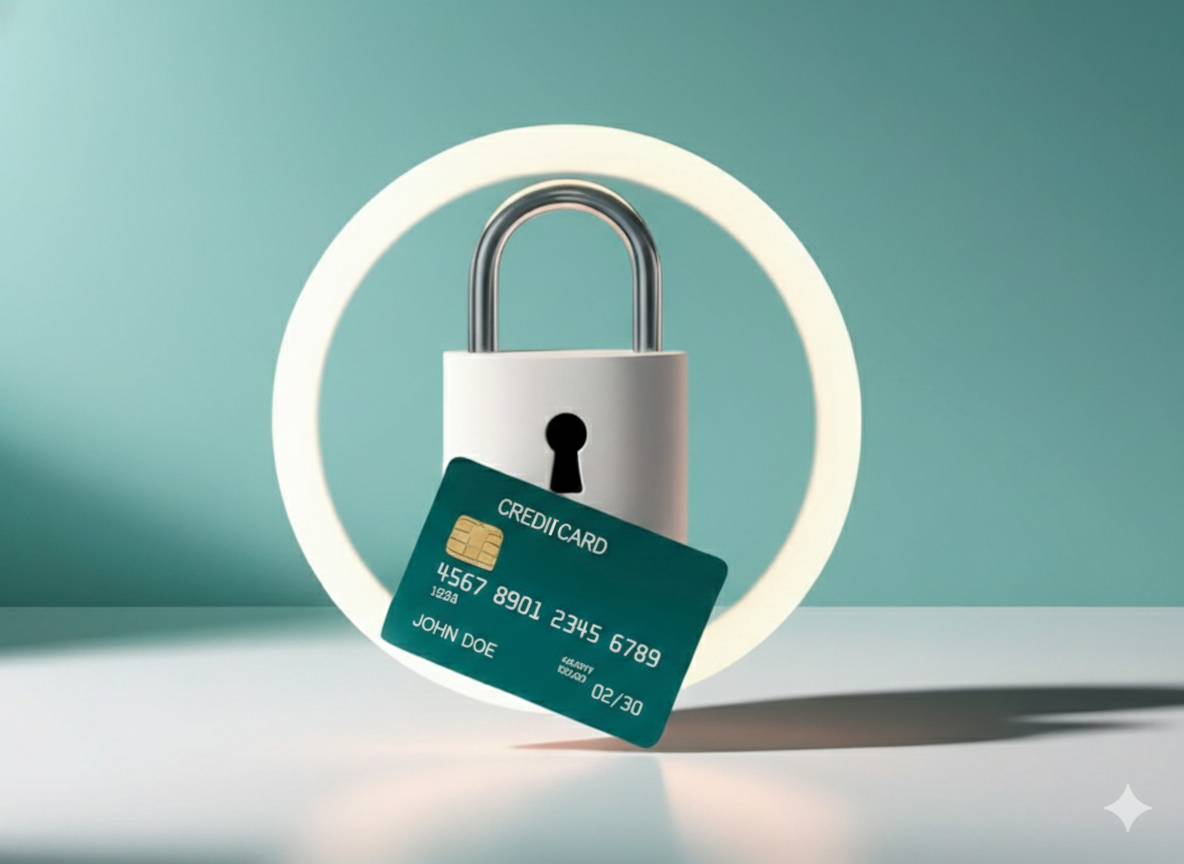
A secure checkout badge is a visual icon on a website that tells customers their payment information and personal data are protected.

How Secure Checkout Badges Increase Conversion Rates in 2026

These small symbols, padlock icons, "Verified Secure" seals, or logos from security companies, appear near buy buttons and payment forms to establish trust and show that the business has ensured the right practices for a safe purchasing process. These small visual signals can have a major impact if they're genuine and represent what the business truly stands for. If they're fake and misleading, they can only make more harm than good.

This guide covers the types of trust badges that actually work, where to place them for maximum impact, and why verified certifications are becoming the new standard for building customer confidence.

What is a secure checkout badge

A secure checkout badge is a small visual icon displayed on a website that signals to customers their payment information is protected. You've likely seen them before—padlock symbols, "Verified Secure" seals, or logos from companies like Norton or McAfee positioned near the buy button. The purpose is simple: tell shoppers their credit card details are safe so they feel confident completing a purchase.

The terminology can get confusing, so here's a quick breakdown:

  • Trust badge: A broad term for any visual symbol signaling safety or credibility.

  • Trust seal: A badge specifically issued by a third party that verifies security or legitimacy.

  • Secure badge: A badge focused on communicating data encryption and protection.

Not all badges carry equal weight, though. A seal from a recognized security company signals something different than a generic icon someone designed in-house. The distinction matters because customers have learned to tell the difference.

Why trust badges increase conversion rates

Picture this: a customer adds items to their cart, reaches checkout, and then suddenly they feel uncertain. They're about to enter their credit card number on a site they've never used before. The store is still new, with very few reviews and no external recognition.

Without visible trust signals, people become hesitant to buy and eventually leave the cart. As a matter of fact, 25% of customers leave at exactly this moment because they don't trust the site with their payment information.

Cart abandonment is a serious problem for ecommerce stores, with 70% of shoppers abandoning carts due to trust issues and frustrations in the purchasing process. A well-placed badge directly addresses the question running through a customer's mind: "Is it safe to buy here?" When the answer is visibly "yes," more customers complete their purchase.

Types of website trust badges that build customer confidence

Different badges address different concerns. Some focus on payment security, others on purchase protection, and still others on broader business credibility. Understanding the categories helps you select badges that match what your customers actually worry about.

Security badges and SSL trust seals

SSL trust seals prove that a site encrypts data during transmission. Badges from Norton, McAfee, or DigiCert confirm an active SSL certificate is protecting the connection between the customer's browser and your server.

The power of SSL badges comes from brand recognition. Norton has decades of security reputation. When customers see that logo, the trust Norton has built transfers to your checkout page. It's borrowed credibility, and it works.

Accepted payment method badges

Visa, Mastercard, PayPal, Apple Pay - displaying payment logos does more than show options. Customers trust payment giants, and when they see familiar logos, they assume those companies have vetted your business to some degree.

The familiarity creates instant comfort. A customer might not know your brand, but they know PayPal. That association provides a bridge of trust.

Guaranteed safe checkout badges

A guaranteed safe checkout badge makes a broader promise than an SSL seal alone. While SSL confirms data encryption, a safe checkout badge signals that the entire transaction process is protected—from entering payment details to completing the order.

For first-time visitors who don't know your brand, this comprehensive assurance can be the deciding factor, especially since 81% of online shoppers feel concerned when shopping on unfamiliar ecommerce sites. It answers multiple concerns with a single visual.

Money back guarantee badges

Money back guarantee badges address a completely different fear. Customers aren't worried about hackers here—they're worried about regret. What if the product doesn't match expectations?

A refund guarantee reduces perceived risk. If the purchase disappoints, customers know they can get their money back. This assurance often tips hesitant buyers toward completing checkout, especially for higher-priced items.

Third-party endorsement and certification badges

Here's where trust badges are evolving beyond basic security. Customers increasingly want proof that businesses operate ethically and transparently, not just securely.

Third-party certifications from independent organizations carry more weight than self-created badges. The reason is straightforward: someone outside your company verified your claims. A SiteTrust certification for AI transparency, for example, shows customers you've been independently evaluated. That's fundamentally different from making promises yourself.

Where to place trusted badges for maximum impact

Having the right badges is only half the equation. Placement determines whether customers actually see them at the moments when trust matters most.

Checkout page

The checkout page is your highest-priority placement. This is where most abandonment happens, so trust signals here directly combat last-second hesitation.

Position security badges near the payment form itself. Customers look there when entering sensitive information, and a visible seal at that exact moment can determine whether a sale completes or disappears.

Product pages

Building trust before checkout pays off. When customers see badges on product pages, confidence starts forming early in the buying journey.

This matters especially for expensive items or unfamiliar brands. Early trust signals mean customers arrive at checkout already feeling comfortable, rather than encountering reassurance for the first time when they're about to pay.

Cart page

The cart page is a transition point where customers review their decision. Doubts can surface here as they see the total and consider whether to proceed.

A guarantee safe checkout badge at this stage reinforces commitment. It reminds customers that moving forward is safe and low-risk.

Website footer

Footer badges create ambient trust across your entire site. Visitors see them on every page, building familiarity through repetition.

This placement works best for site-wide credentials like SSL certificates or business certifications. The repeated exposure reinforces credibility over time, even if customers don't consciously notice each instance.

How to choose the right trust badges for your website

Not every badge fits every business. The goal is matching badges to your specific customers' concerns rather than displaying everything available.

1. Identify what makes your customers hesitate

Start by understanding where drop-offs happen in your buying process. Are customers leaving at checkout? Payment security might be the concern. Leaving on product pages? Product quality or legitimacy might be the issue.

Analytics reveal friction points. Customer surveys add context. Once you know the specific concern, you can choose badges that address it directly.

2. Match badge types to your business model

E-commerce stores typically benefit most from payment and checkout security badges. Service businesses and B2B companies often gain more from professional certifications and endorsements.

Consider what your customers value. A software company's customers might care more about data privacy certifications than money-back guarantees. A fashion retailer's customers might prioritize return policies over technical security details.

3. Prioritize verified certifications over self-claimed seals

Anyone can create a badge graphic. That's precisely why self-made badges carry limited credibility with savvy customers.

Third-party verification is what customers increasingly expect. When an independent organization confirms your claims, that proof means something. It's the difference between saying "trust me" and showing "here's the evidence."

4. Test placement and measure conversions

What works varies by industry and audience. A/B testing different badge types and placements reveals what resonates with your specific customers.

Track conversion rates before and after adding badges. Measure the impact of different placements. Data tells you what's actually working rather than what seems logical in theory.

Why verified certification beats self-claimed trust seals

Consumers are getting smarter about trust signals. Generic, self-made badges don't impress them the way they once did.

The difference comes down to verification. A self-claimed badge says "we promise we're trustworthy." A verified certification says "an independent organization confirmed we're trustworthy." Customers can tell the difference, and they respond accordingly.

  • Self-claimed badges: Easy to create, but offer low credibility because anyone can make them.

  • Verified certifications: Involve independent review, often appear in public registries, and customers can confirm them.

As AI becomes more common in e-commerce, this distinction matters even more. Customers want proof that businesses use AI ethically and transparently. Independent certification—like SiteTrust's AI transparency verification—provides that proof in a way self-made badges simply cannot replicate.

The evolution is clear: basic security badges are now table stakes. The next frontier is transparency certification that shows customers not just that their data is safe, but that your business operates ethically across all its practices.

Build a trusted store that wins more customers

Trust has become a competitive advantage that directly affects revenue. Businesses that prove their credibility win customers that competitors lose to hesitation and doubt.

As AI touches more customer interactions, transparency becomes essential. Customers want to know how you're using AI, what data you're collecting, and whether your practices are fair. Independent certification answers those questions before customers even ask them.

Ready to build deeper customer trust? Get certified for AI transparency with SiteTrust.

FAQs about secure checkout badges

What is an SSL trust badge and how does it work?

An SSL trust badge shows that a website uses encryption to protect data during transactions. The badge indicates an active SSL certificate is scrambling information between the customer's browser and your server, preventing interception by third parties.

Are free trust badges as effective as paid verified certifications?

Free badges can help, though they lack independent verification. Paid certifications from recognized third parties carry more weight because customers can confirm them through public registries or verification tools.

Can a business create its own trusted store logo?

Yes, though self-created badges have limited credibility. Customers increasingly look for third-party verification they can confirm independently. A badge you made yourself doesn't offer that assurance.

Do website trust badges affect search engine rankings?

Trust badges don't directly impact SEO rankings. However, they can reduce bounce rates and increase conversions, which may indirectly improve the performance metrics search engines consider.

How many trust badges should a website display?

Display only badges relevant to your customers' concerns. Too many badges can look cluttered and actually reduce credibility rather than build it. Focus on quality and relevance over quantity.

Ready to become a founding member?

Apply for certification today
Damjan Stankovic

Damjan Stankovic

Marketing Operations Manager

Stay ahead on AI transparency

Join the SiteTrust newsletter to receive updates on AI transparency, new regulations, and practical guides straight to your inbox.