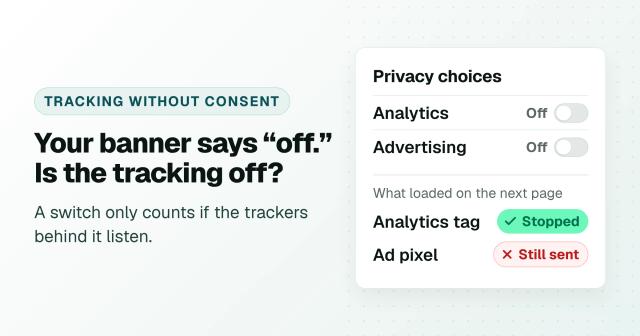
Does your cookie banner's "off" switch actually stop the tracking?
California's privacy agency just fined FedEx $2.975 million over a cookie banner whose switches did not stop the ad trackers. Here is what that means for your site, and how to check yours.
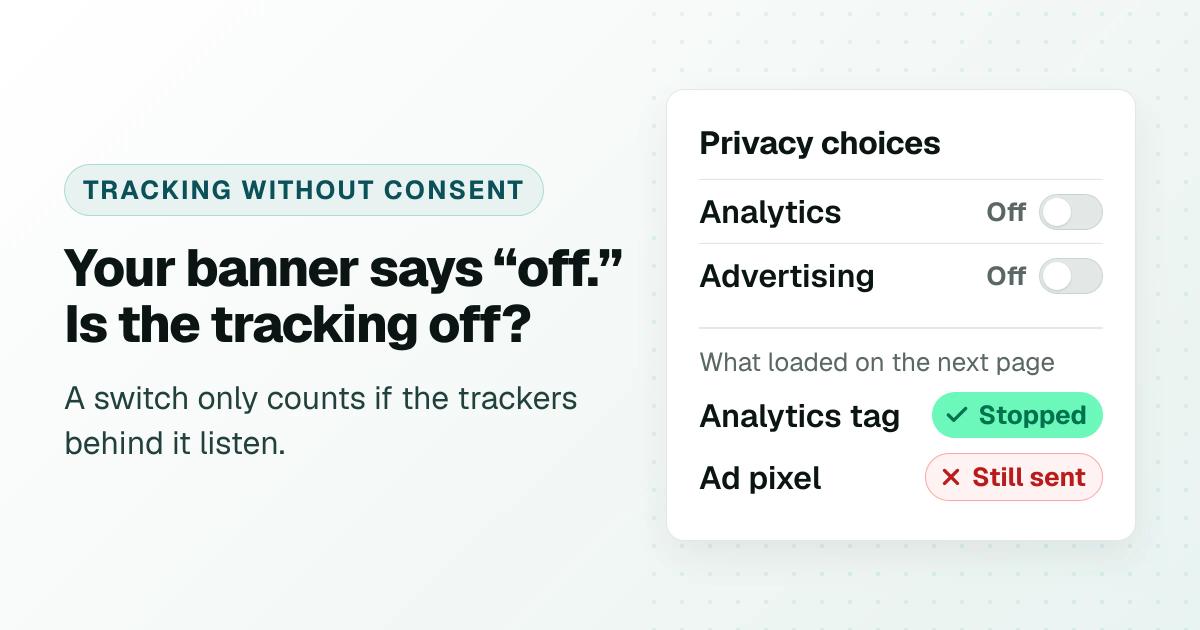
Not always, and regulators now test it. On November 10, 2026, California's privacy agency announced a $2.975 million fine against FedEx, saying that when visitors switched off cookie categories, some ad trackers still received their data. A banner only counts if its switches work. The way to know is to test what your site does after a visitor says no.
By Vinnie Fisher, Founder & CEO, SiteTrust · Published November 25, 2026
What happened with FedEx?
FedEx agreed to pay $2,975,000 under a stipulated final order that the board of California's privacy agency, CalPrivacy, signed on November 6, 2026 and announced on November 10.
According to the agency, a few things on FedEx's sites did not match what visitors were told:
→ The privacy policy said FedEx did not sell or share personal information, while trackers from Meta, LinkedIn, Google and Adobe collected identifiers used for ad targeting.
→ The sites did not detect or honor Global Privacy Control, the browser signal that tells a site a visitor wants to opt out.
→ There was no "Do Not Sell or Share" or "Your Privacy Choices" link.
→ When visitors switched off analytics and tracking cookies in the banner, some ad tech companies still received their data.
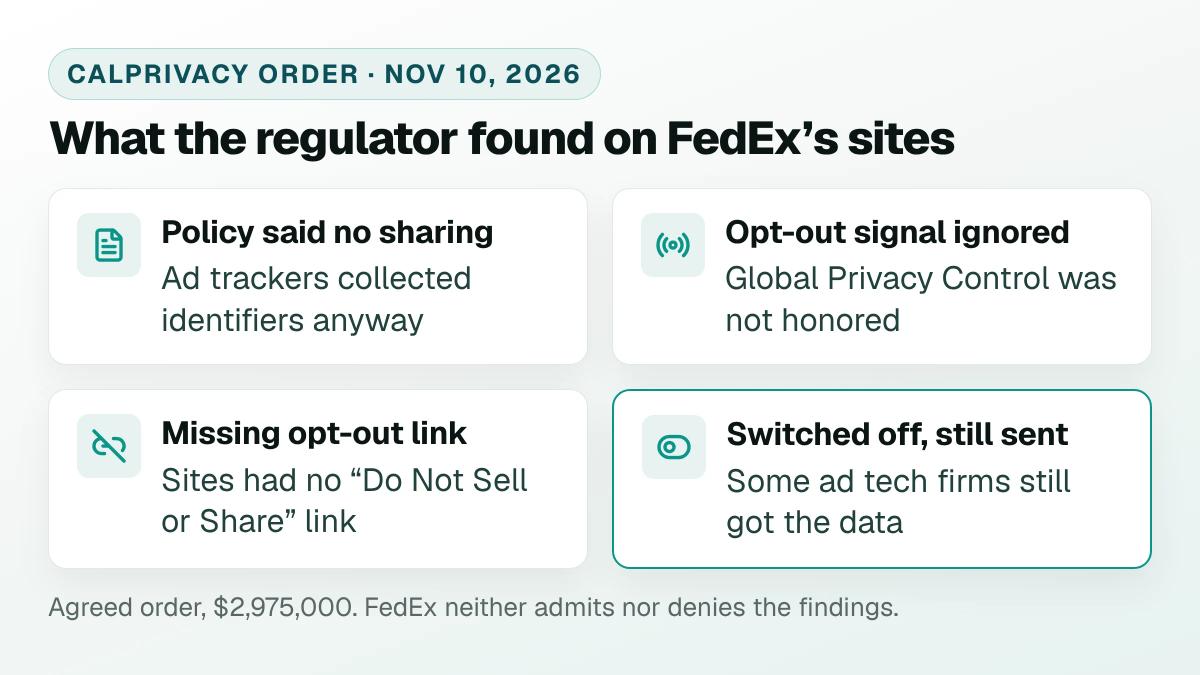
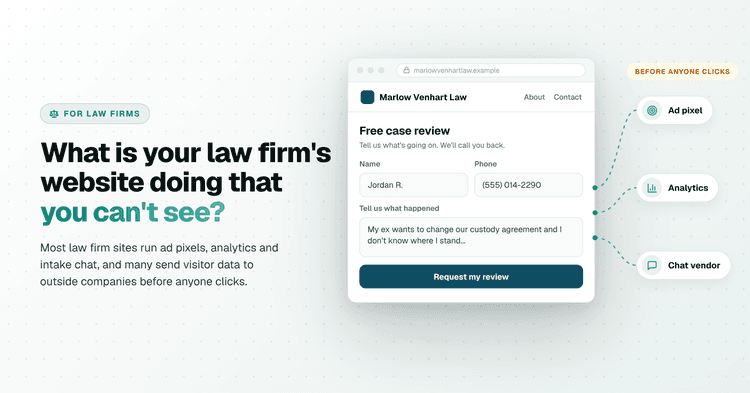
Image 1: What the regulator found on FedEx’s sites
FedEx neither admits nor denies the findings, and no court made findings. It is an agreed order, not a verdict. But it tells every business with a cookie banner what California's regulator is checking.
Why does this matter if you're not FedEx?
Because your site likely runs the same kinds of tools. Ad pixels, analytics, retargeting tags and chat widgets show up on the websites of law firms, CPAs, medical practices and local shops, not only on the sites of big companies.
None of this needed a new law. Every point in the order rests on rules that already apply in California.
Regulators aren't the only ones asking. In Kaidi v. T-Mobile, a plaintiff alleges he rejected cookies through the site's banner and the tracking continued. A federal judge sent that claim back to California state court, where it can go forward (CIPAWorld, November 12, 2026). That is an allegation, not a finding, but it is the same question the FedEx order asks: did "no" mean no?
The exposure in those private suits is real money. California's wiretap law allows $5,000 per violation (Penal Code 637.2). California's SB 690 ends private pen register suits over website tracking from January 1, 2027, but wiretap claims and that $5,000 figure are unchanged (Morgan Lewis, October 1, 2026).
How can a banner look right and still not work?
A cookie banner is one tool on your site. The trackers are loaded by others.
Your marketing agency adds a pixel through a tag manager. A plugin brings its own analytics. A developer hard-codes a retargeting tag into the page template. Some ad platforms receive data straight from your server. Each of those has to ask the banner for permission before it runs. If one isn't wired to the visitor's choice, the switch changes nothing for that tool.
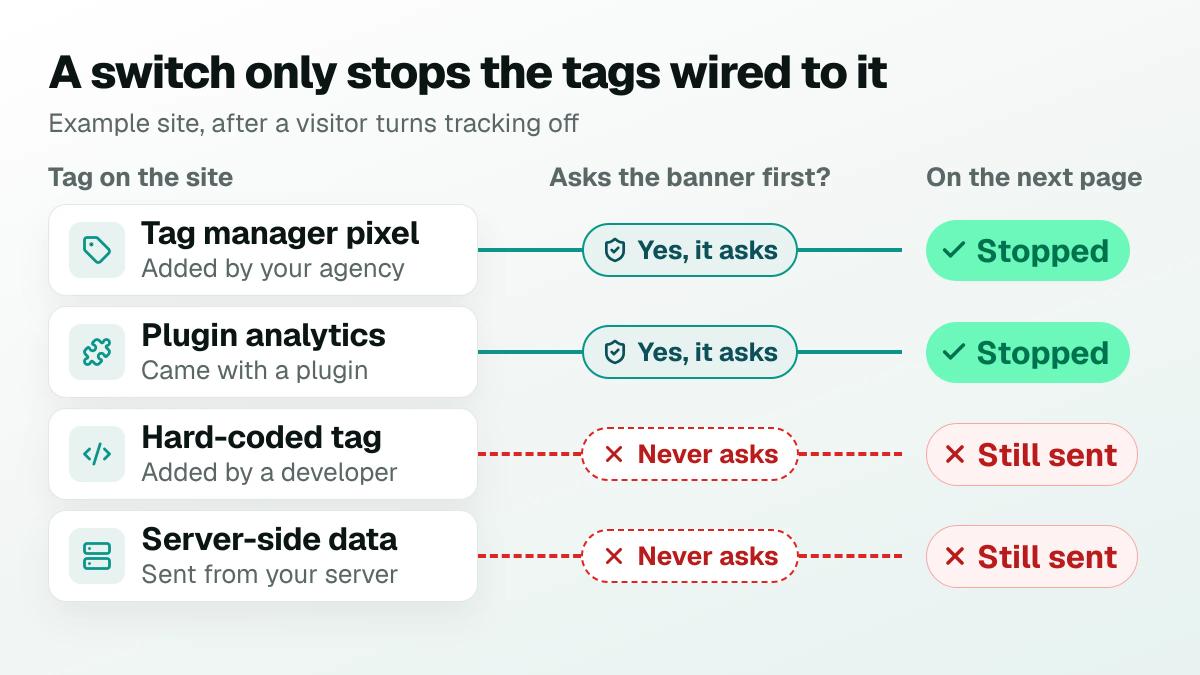
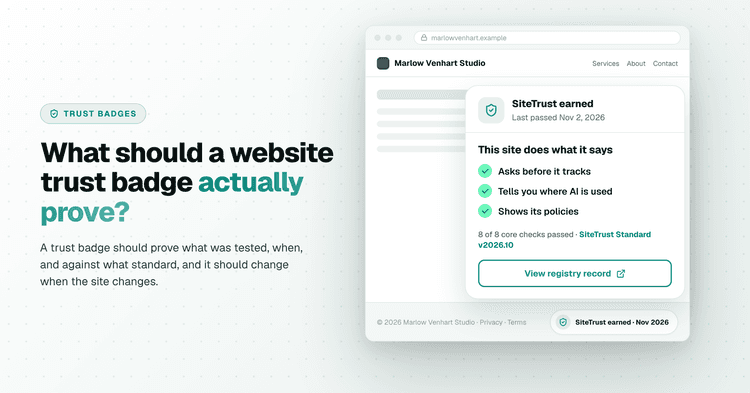
Image 2: A switch only stops the tags wired to it
Then the site changes. A new campaign, a new plugin, a redesign. The banner still looks the same. The privacy policy, written once, still says what it said. Nobody goes back to check whether "off" still means off.
I keep hearing owners say, "We have a banner, so we're fine." The banner is the start. What it does is what counts.
What did the order require FedEx to do?
This is the most useful part for the rest of us. For three years, FedEx must:
→ Scan its sites for trackers at least every quarter.
→ Test that opt-outs work every quarter, and whenever a new tracker is added.
→ Put the required contracts in place with the companies that receive the data.
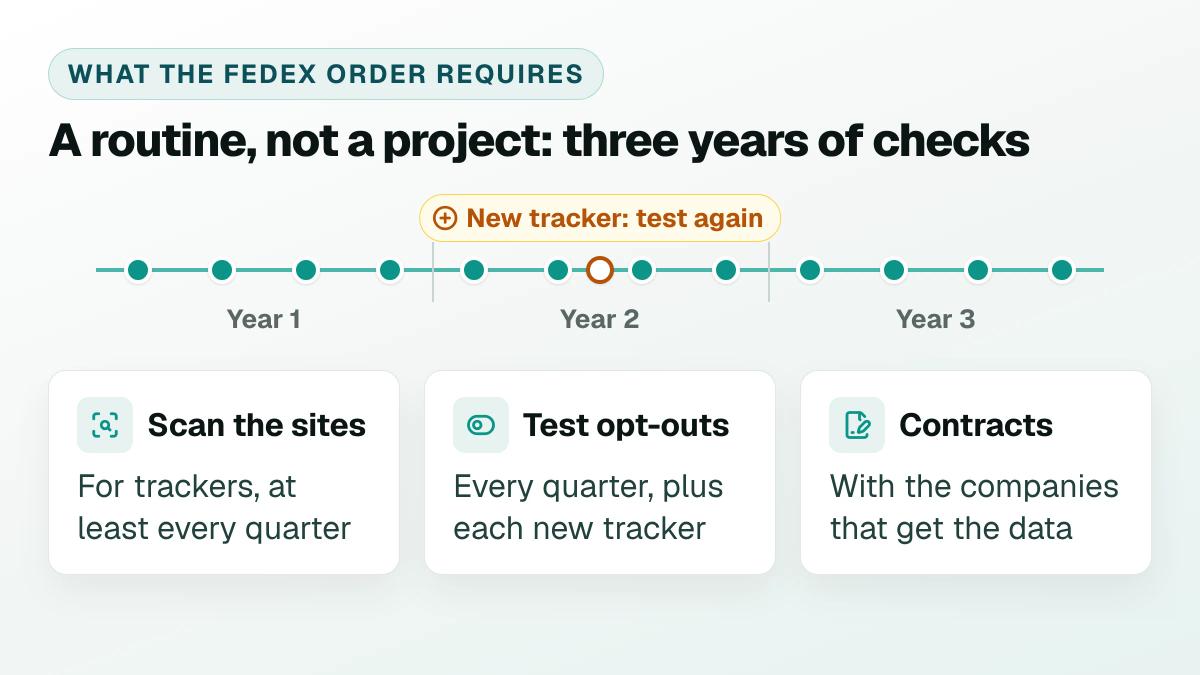
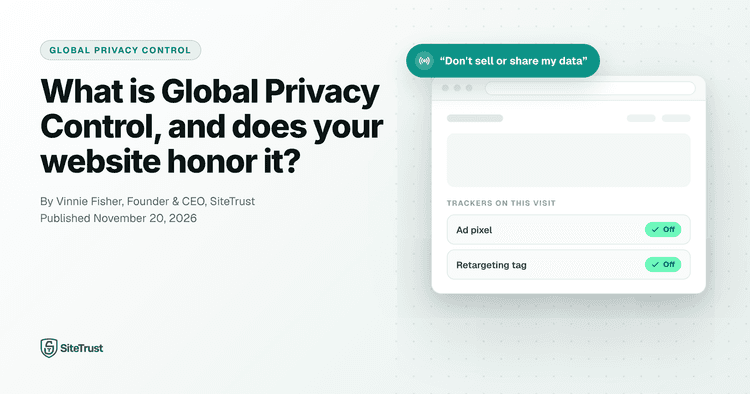
Image 3: A routine, not a project: three years of checks
That is a routine, not a project. A small business can run the same routine at its own scale.
California's regulator is also moving on the signal question. On November 6, 2026, the same board voted to begin formal rulemaking that would name Global Privacy Control as an opt-out signal (IAPP, November 9, 2026). It is still a proposal, with a public comment period to come. We explained what that signal is and how to check for it in What is Global Privacy Control, and does your website honor it?
How do you check your own site?
Start with these four:
→ Switch it off and watch. Open your site in a private browser window, decline advertising and analytics cookies, and click through a few pages. Ask your web team to confirm that no ad or analytics tags fire after that choice.
→ Accept, then change your mind. Accept cookies, then use your site's privacy settings to withdraw. The tracking should stop on the next page.
→ Read your own promise. Find the line in your privacy policy about selling or sharing data. Compare it with the trackers actually running on the site today.
→ Write it down, with the date. Keep a record of what you tested and what you saw. Do it again whenever a new tool goes on the site.
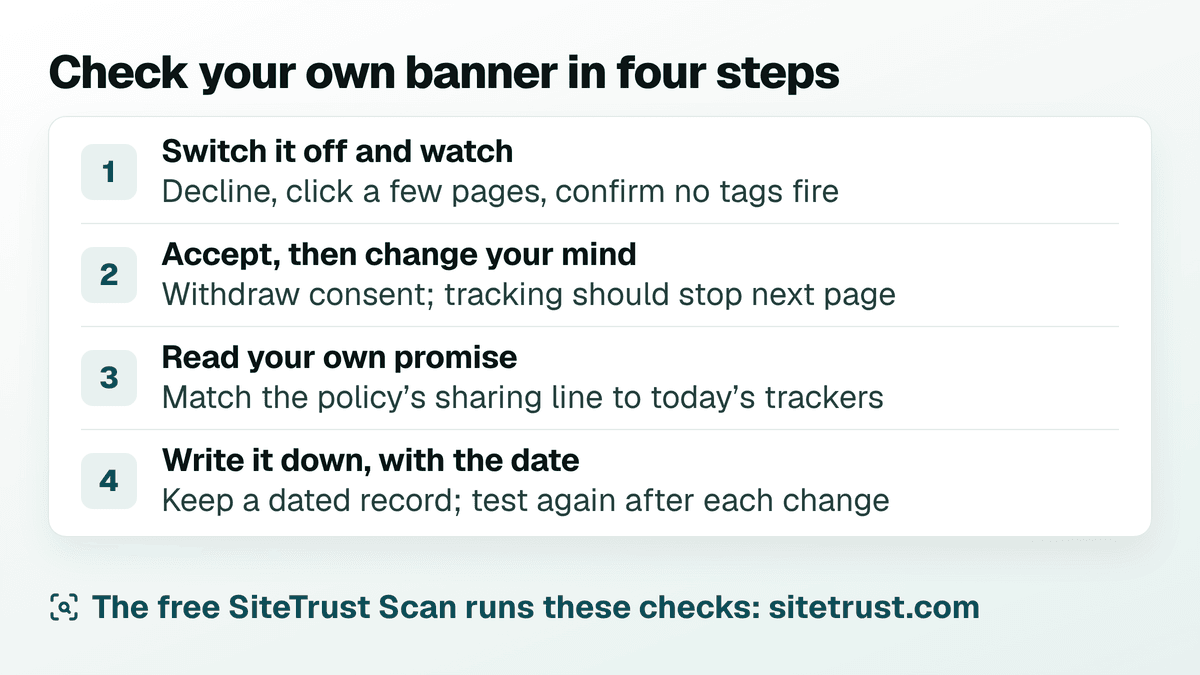
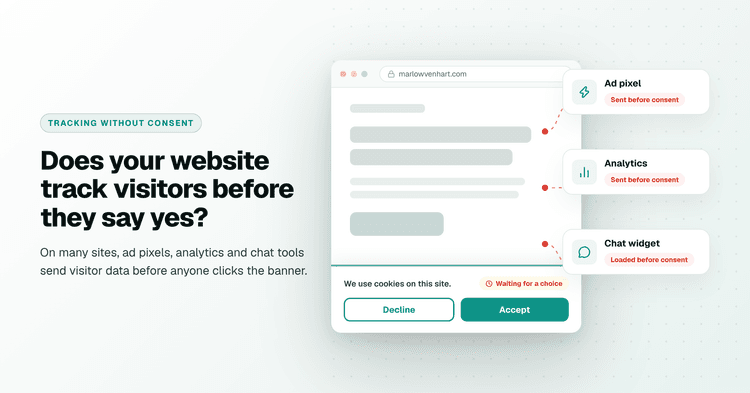
Image 4: Check your own banner in four steps
The free SiteTrust Scan does this kind of check for you. It looks at what loads on your site, what fires before a visitor makes a choice, and what happens after they accept and after they decline. You get a dated summary of what we found.
What does handled look like?
When a visitor says no, the ad tags stay quiet, on every page and after every site change. The privacy policy says what the site actually does. And if anyone asks how your site treats a visitor who opted out, you can show a dated record instead of a promise.
Waiting has a cost. Every new tag your team adds is one more switch that might not be connected.
FAQ
Did a court find that FedEx broke the law? No. FedEx agreed to a stipulated order and neither admits nor denies the agency's findings. No court made findings. What the order shows is what California's regulator looks at and what it expects a business to fix.
Does this apply to my business? California's privacy law covers businesses based on facts like size and how they handle personal data, and only your lawyer can tell you where you stand. Wiretap suits over website trackers are a separate exposure. Either way, any owner can check whether the switches on the site's banner do what they say.
My consent tool says it blocks trackers. Isn't that enough? A setting is a promise. A test is the proof. Tags added outside the consent tool, by a plugin, a tag manager or a developer, may never ask the banner for permission. Test what actually loads after a visitor says no, and keep the dated result.
How often should I test my banner? The FedEx order calls for testing every quarter and whenever a new tracker is added. That is a useful routine for any business at its own scale. The point is to test again whenever the site changes, because that is when switches stop matching tags.
Run the free scan
See what your site does after a visitor says no. Run the free scan at sitetrust.com
Hidden risks, handled. SiteTrust, earned. What remains, covered.
Informational only and not legal advice. Sources: California Privacy Protection Agency (CalPrivacy), FedEx stipulated final order, board decision November 6, 2026, announced November 10, 2026; IAPP, "CalPrivacy board advances rulemaking to update opt-out preference signals requirements," November 9, 2026; CIPAWorld, Kaidi v. T-Mobile remand, November 12, 2026; Morgan Lewis on SB 690, October 1, 2026; California Penal Code section 637.2.
Ready to become a founding member?
Apply for certification todayFree AI tools
Assess your AI readiness
Use these quick assessments to spot trust, governance, and disclosure gaps.